

May 6, 2025
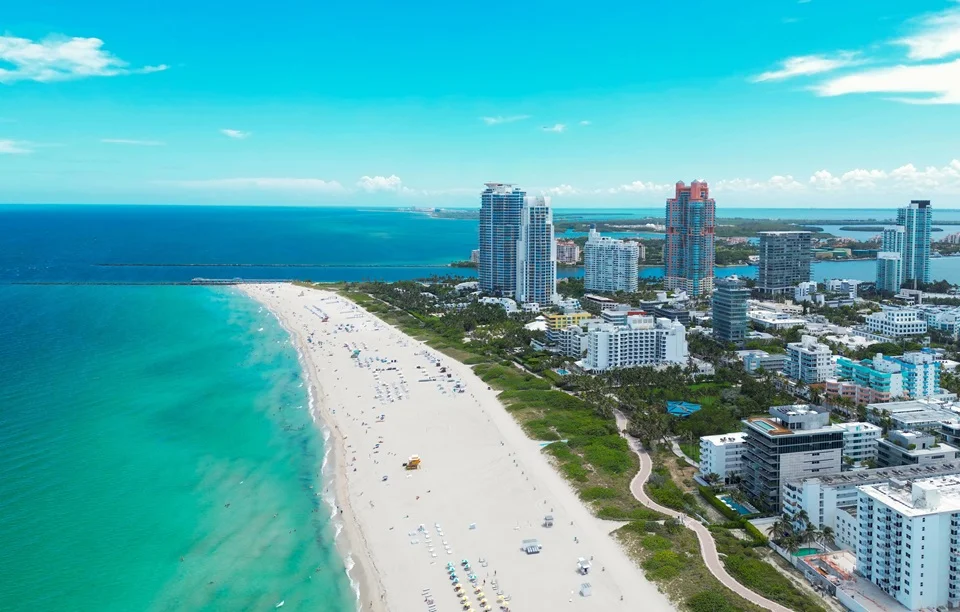
Miami, often dubbed the "Magic City," continues to captivate investors worldwide with its vibrant culture, strategic location, and robust real estate market. As we navigate through 2025, the allure of Miami property investment remains stronger than ever. This guide delves deep into the nuances of purchasing property in Miami, highlighting key investment opportunities, market trends, and essential considerations for prospective buyers.
Why Invest in Miami Real Estate?
Miami's real estate market offers a unique blend of benefits that make it a prime destination for investors:
Current Market Trends in 2025
The Miami real estate market in 2025 is characterized by several notable trends:
Top Neighborhoods for Investment
1. Brickell
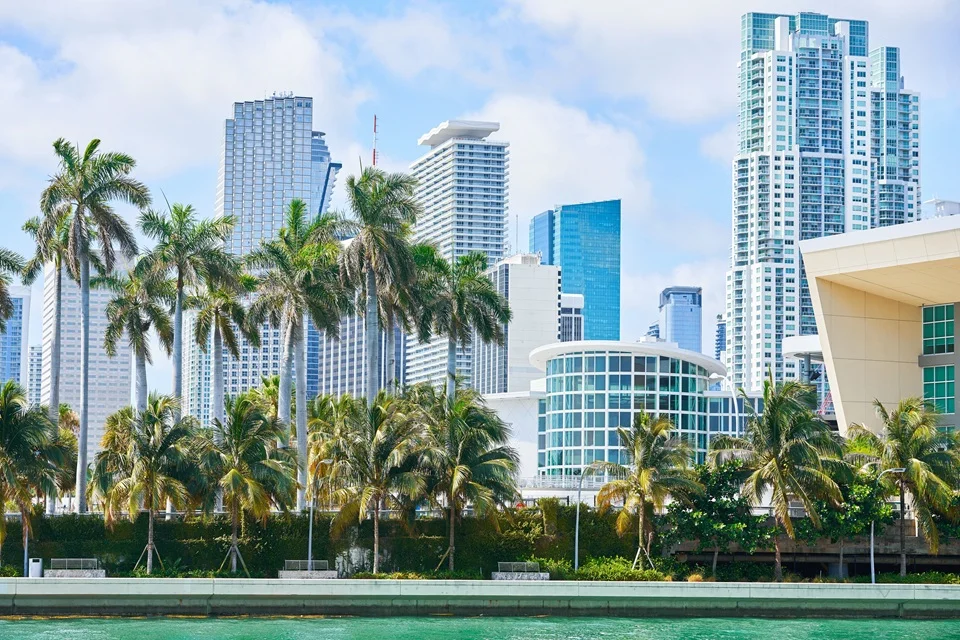
Often referred to as the "Manhattan of the South," Brickell is Miami's financial hub. Its skyline is dotted with luxury condos and high-rise apartments, making it ideal for investors targeting young professionals and executives.
2. Wynwood
Known for its vibrant art scene and eclectic vibe, Wynwood has transformed into a hotspot for creatives and entrepreneurs. The area's unique character and ongoing development make it a promising investment locale.
3. Edgewater
Edgewater offers stunning bay views and proximity to downtown Miami. With numerous new developments, it's attracting both residents and investors seeking modern living spaces.
4. Coconut Grove
As one of Miami's oldest neighborhoods, Coconut Grove boasts lush greenery, historic homes, and a laid-back atmosphere. Its charm and exclusivity appeal to high-net-worth individuals.
5. Little Havana
Rich in culture and history, Little Havana is gaining attention for its affordability and potential for appreciation. Investors are eyeing the area for both residential and commercial opportunities.
Types of Properties Available
Condominiums
Condos are prevalent in Miami, offering amenities like pools, gyms, and security. They are particularly popular in downtown areas and appeal to both residents and investors seeking rental income.
Single-Family Homes
These properties provide more space and privacy, making them suitable for families. Neighborhoods like Coral Gables and Pinecrest are known for their upscale single-family homes.
Multi-Family Units
Duplexes, triplexes, and apartment buildings offer investors the opportunity to generate multiple income streams. Areas undergoing revitalization, such as Allapattah, present potential for growth.
Commercial Properties
Miami's growing economy supports a robust commercial real estate market. Investors can explore opportunities in retail spaces, office buildings, and mixed-use developments.
Investment Strategies
Buy and Hold
This long-term strategy involves purchasing property and holding onto it to benefit from appreciation and rental income. It's suitable for investors seeking steady returns over time.
Fix and Flip
Investors purchase undervalued properties, renovate them, and sell at a profit. This approach requires market knowledge and renovation expertise but can yield significant returns.
Short-Term Rentals
Leveraging platforms like Airbnb, investors can capitalize on Miami's tourism by offering short-term accommodations. It's essential to stay informed about local regulations governing such rentals.
Real Estate Investment Trusts (REITs)
For those preferring a hands-off approach, REITs allow investment in real estate portfolios, providing exposure to the market without direct property management.
Legal Considerations
Financing Options
Steps to Purchasing Property in Miami
Future Outlook
Miami's real estate market shows no signs of slowing down. With ongoing infrastructure projects, a steady influx of residents, and a thriving economy, property values are poised for continued growth. Investors who enter the market now can position themselves to reap substantial rewards in the years to come.
Investing in Miami property offers a blend of lifestyle benefits and financial gains. Whether you're a seasoned investor or a first-time buyer, understanding the market dynamics and making informed decisions are key to success. As the city continues to evolve, opportunities abound for those ready to embark on the journey of Miami property investment.