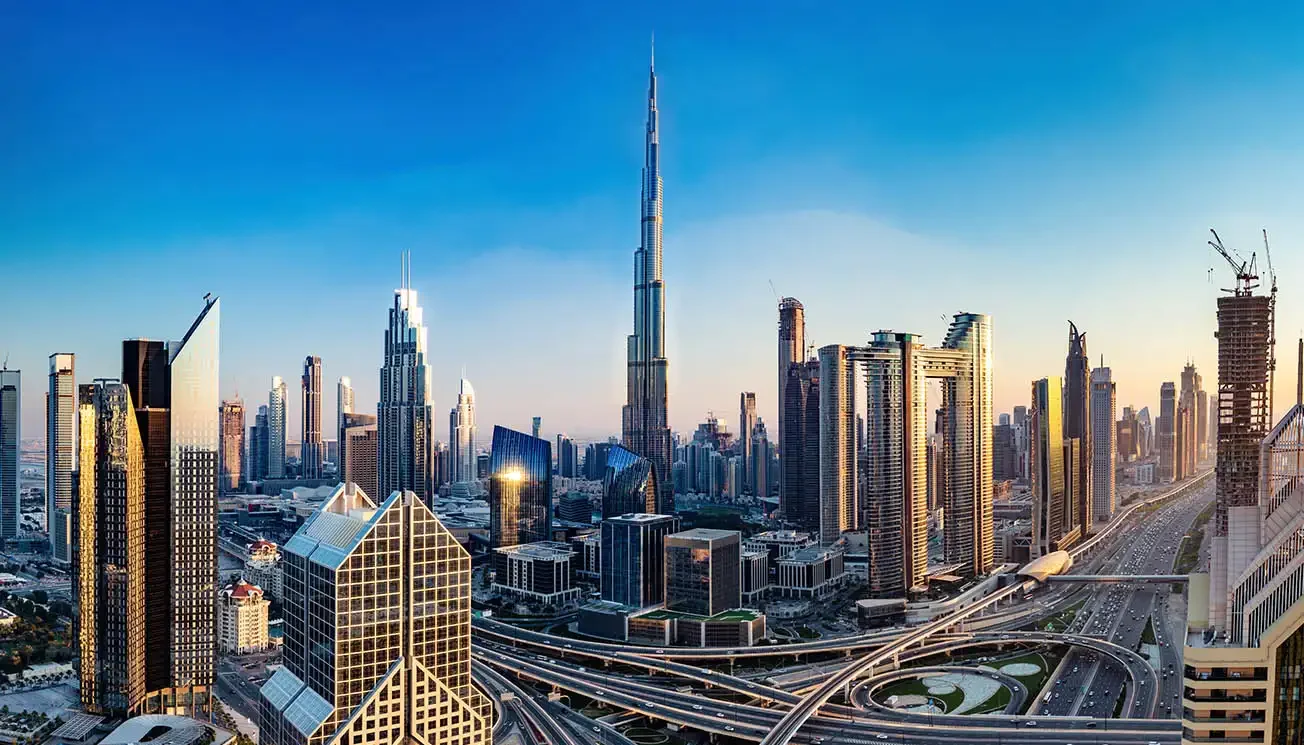

The United Arab Emirates has become one of the world’s most attractive real estate investment markets in recent years. Dubai and Abu Dhabi, in particular, continue to attract international investors, high-net-worth individuals, skilled professionals and global companies.
Throughout 2025, the UAE residential property market maintained strong momentum, with housing prices, rental income and transaction volumes continuing to rise. However, the market is now entering a more mature and balanced growth phase.
At Taya Homes, we analyse the UAE property market from an investment-focused perspective and identify key opportunities for international real estate investors.
Overview of the UAE Housing Market
By the end of 2025, Dubai’s residential sales price index increased by 12.88% year-on-year.
Villa prices rose by 15.16%, while apartment prices increased by 12.52%. This reflects continued demand for larger-format homes, quality-led developments and lifestyle-focused residential communities.
Abu Dhabi recorded even stronger momentum. Its residential sales price index increased by 31.59% year-on-year, with apartment prices rising by 34.77% and villa prices increasing by 13.60%.
Market analysts expect further price growth in 2026, although at a more sustainable and moderate pace.
Average Residential Property Values
In Dubai, the average apartment value reached AED 1,477 per square foot, equivalent to approximately USD 402 per square foot. This represents an annual increase of 14.2%.
Dubai villa values reached an average of AED 3,048 per square foot, equal to approximately USD 830 per square foot. Annual villa price growth stood at 25.1%.
In Abu Dhabi, average apartment values reached AED 1,082 per square foot, equivalent to approximately USD 295 per square foot. Annual growth was 9.18%.
Abu Dhabi villa values stood at AED 823 per square foot, equal to approximately USD 224 per square foot, with annual growth of 9.01%.
These figures show that Dubai continues to lead the premium residential segment, while Abu Dhabi offers strong growth potential with comparatively accessible pricing.
Dubai: The Region’s Most Dynamic Property Market
Dubai remains one of the largest, most liquid and internationally recognised real estate markets in the Middle East.
In 2025, more than 205,000 residential sales transactions were registered in Dubai, representing an 18.33% year-on-year increase.
The total transaction value reached approximately AED 540 billion.
Key investment areas in Dubai include:
- Dubai Marina
- Downtown Dubai
- Palm Jumeirah
- Business Bay
- Dubai Hills Estate
- Jumeirah Village Circle
- Dubai South
Dubai offers several major advantages for property investors:
- Tax-efficient rental income
- Strong international demand
- Robust tourism sector
- Long-term residency programs
- World-class infrastructure
- Foreign-currency-based investment opportunities
Abu Dhabi: Strong Growth and More Balanced Pricing
Abu Dhabi has become increasingly attractive to investors seeking long-term stability, economic growth and comparatively balanced pricing.
In 2025, residential sales transactions in Abu Dhabi increased by 47.43% year-on-year, reaching 21,279 transactions.
Key investment areas include:
- Yas Island
- Al Reem Island
- Saadiyat Island
- Fahid Island
Abu Dhabi offers several advantages for investors:
- Lower entry prices compared with Dubai
- Strong economic fundamentals
- Government-backed infrastructure investment
- Population growth
- Long-term rental demand
Housing Demand Remains Strong
Housing demand in the UAE is supported not only by investors but also by end users.
Professionals working in technology, finance, healthcare, tourism, renewable energy and other growth sectors continue to relocate to the UAE.
This supports:
- Rental demand
- Residential price growth
- Long-term investor confidence
In Dubai, off-plan projects remain particularly attractive to investors due to flexible payment plans, developer incentives and future capital growth potential.
Residential Supply and New Developments
In the first nine months of 2025, approximately 28,100 new residential units were completed in Dubai.
By 2028, around 366,000 new homes are expected to enter the Dubai market.
The largest supply pipelines are expected in:
- Jumeirah Village Circle
- Dubai South
- Business Bay
- Dubai Residence Complex
- Dubai Islands
Rather than signalling oversupply, this upcoming pipeline is viewed by many analysts as part of a healthy market normalisation process.
Rental Market and Rental Yields
Rental markets in both Dubai and Abu Dhabi remained strong in 2025.
Average annual rents in Dubai:
Studio apartments averaged AED 42,396 per year.
One-bedroom apartments averaged AED 64,119 per year.
Two-bedroom apartments averaged AED 91,052 per year.
Three-bedroom apartments averaged AED 155,733 per year.
Average annual rents in Abu Dhabi:
Studio apartments averaged AED 42,159 per year.
One-bedroom apartments averaged AED 58,955 per year.
Two-bedroom apartments averaged AED 83,027 per year.
Three-bedroom apartments averaged AED 121,539 per year.
Dubai’s average gross rental yield stood at approximately 6.55%, with apartment yields exceeding 7% in some segments.
Abu Dhabi’s average rental yield stood at approximately 6.32%.
These yields remain highly competitive compared with many developed global real estate markets.
Mortgage and Financing Market
Following interest-rate reductions by the UAE Central Bank, mortgage activity began to strengthen.
Residential mortgage transactions in Dubai increased by 12.7% year-on-year.
Improved access to housing finance is expected to support greater end-user participation, especially among residents and first-time buyers.
However, cash buyers continue to dominate the UAE property market.
In Dubai, approximately 86% of residential transactions are cash purchases.
Economic Outlook
The UAE economy grew by approximately 4.8% in 2025.
According to IMF projections, economic growth may reach around 5% in 2026.
Inflation remains relatively low, at around 2%.
Low inflation, strong economic growth and investor-friendly policies continue to support the real estate sector.
Key sectors supporting UAE economic growth include:
- Artificial intelligence
- Finance
- Tourism
- Technology
- Renewable energy
- Healthcare
Outlook for 2026 and Beyond
Analysts expect housing prices in Dubai to continue rising, but at a more balanced pace.
Expected 2026 price growth:
Dubai prime segment: approximately 3%
Dubai mainstream market: around 1% to 5%
Abu Dhabi market: around 8% to 12%
Rental growth is also expected to continue, especially in markets where demand remains stronger than supply.
This outlook keeps the UAE attractive for investors seeking both rental income and long-term capital growth.
Taya Homes’ UAE Market Approach
At Taya Homes, we help investors access the right properties through the right investment strategy.
Our UAE focus areas include:
- Dubai investment projects
- Off-plan opportunities
- Golden Visa-eligible investments
- Premium residences
- High-yield rental properties
- Abu Dhabi investment opportunities
- International investor portfolios
Conclusion
The United Arab Emirates property market continued to grow strongly in 2025, supported by high rental yields, strong investor demand, population growth and a resilient economy.
Dubai and Abu Dhabi offer different but complementary opportunities for investors. Dubai remains a global property investment hub, while Abu Dhabi provides strong growth potential and comparatively balanced pricing.
With its tax-efficient environment, strong economic outlook, high quality of life and global investor appeal, the UAE remains one of the most important real estate investment markets for 2026 and beyond.
Taya Homes Market Reports are designed to help investors better understand the UAE property market and make more informed real estate investment decisions.