
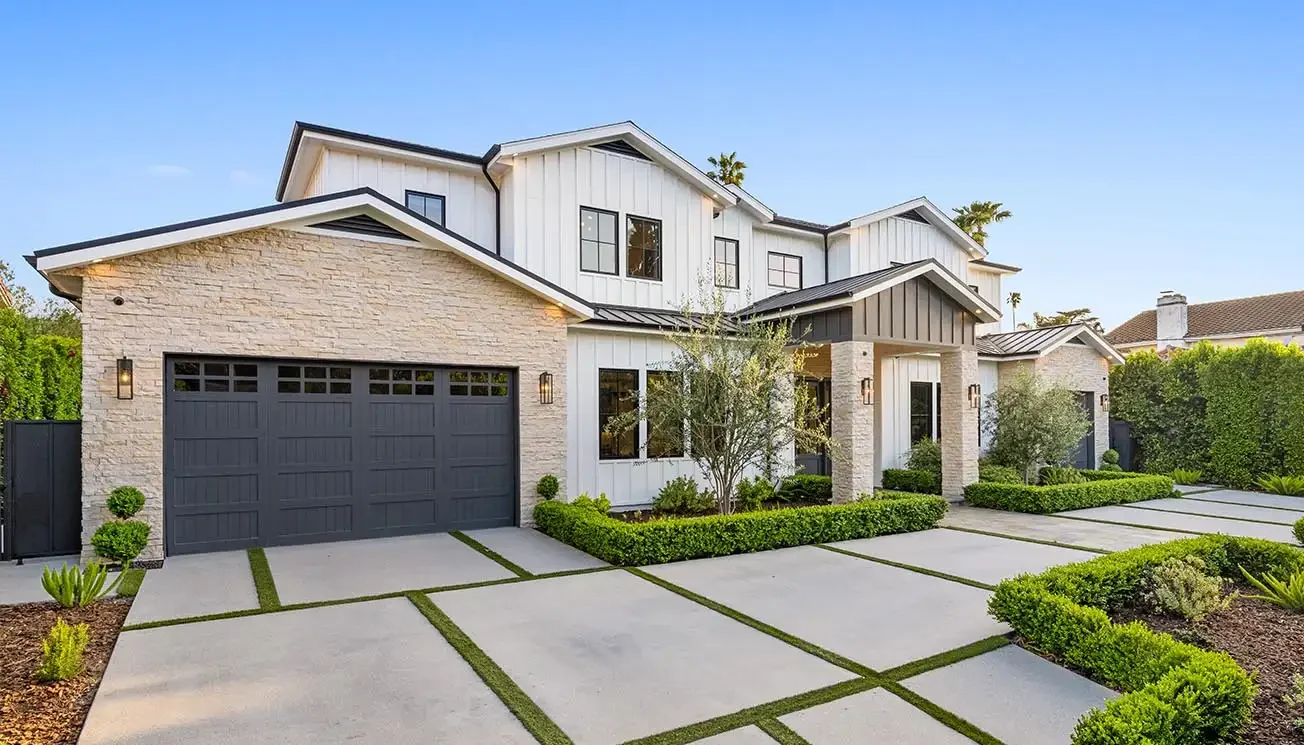

Which Rental Strategy Makes More Sense in 2026?
For UK property owners, one of the biggest questions in 2026 is whether a property should be rented on Airbnb or offered to a long-term tenant.
At first glance, Airbnb often looks more attractive. Higher nightly rates, flexible availability, and strong tourism demand can make short-term letting appear far more profitable. However, when running costs, regulation, taxes, management effort, and occupancy risk are included, the answer becomes more complex.
In reality, the best option depends on your property type, location, mortgage terms, local rules, and how actively you want to manage the investment.
This guide compares Airbnb and long-term renting in the UK for 2026, helping landlords understand which model may deliver stronger net returns.
What Is the Difference Between Airbnb and Long-Term Renting?
Airbnb, or short-term letting, involves renting a furnished property to guests for short stays. These stays may range from one night to several weeks. The owner usually manages pricing, bookings, cleaning, guest communication, check-ins, and maintenance.
Long-term renting means leasing the property to a tenant under a residential tenancy agreement. The tenant usually stays for months or years and pays a fixed monthly rent. In most cases, the tenant also pays their own utility bills and council tax.
The key difference is this:
Airbnb operates more like a hospitality business.
Long-term renting operates more like a traditional property investment.
Both can be profitable, but they create very different income patterns and responsibilities.
Income Potential: Can Airbnb Earn More Than Renting?
In many UK locations, Airbnb can generate higher gross income than a standard long-term tenancy. Properties in tourist cities, coastal areas, business districts, and event-led locations can often command strong nightly rates.
For example, a property rented at £150 per night with 60% occupancy could generate around £2,700 per month before expenses.
By comparison, the same property might rent to a long-term tenant for £1,400–£1,600 per month.
On paper, Airbnb appears to win.
However, gross income is not the same as net profit. Short-term letting comes with higher costs, more frequent maintenance, platform fees, cleaning expenses, utilities, furnishing costs, and potentially management fees.
That means the actual profit gap between Airbnb and long-term renting is often smaller than it first appears.
London Airbnb Rule: Why the 90-Day Limit Matters
London is a special case.
Under the 90-day rule, entire-home short-term lets in London can only be rented for up to 90 nights per calendar year without planning permission. This rule can significantly limit annual Airbnb income.
For example, even if a London Airbnb achieves £200 per night, the 90-night cap limits gross revenue to around £18,000 per year before costs.
This makes long-term renting more competitive in many London areas, especially where residential rents are already high.
For London property owners, Airbnb may still work well as part of a hybrid strategy, such as:
- Short-term letting during peak travel periods
- Medium-term corporate lets for 3–6 months
- Long-term tenancy for income stability
Running Costs: Airbnb vs Long-Term Renting
Airbnb Costs
Airbnb properties usually have higher operating costs because they must be maintained to guest-ready standards at all times.
Typical Airbnb expenses include:
- Professional cleaning between stays
- Utility bills
- Wi-Fi and subscriptions
- Furniture and replacement items
- Guest supplies
- Repairs and maintenance
- Short-term rental insurance
- Platform service fees
- Airbnb management fees, if outsourced
If a management company is used, fees are often based on a percentage of booking income. This can reduce the owner’s workload but also lowers net profit.
Long-Term Rental Costs
Long-term renting is usually more cost-efficient.
Typical costs include:
- Annual maintenance
- Landlord insurance
- Gas safety certificate
- Electrical safety checks
- EPC requirements
- Letting agent fees, if managed professionally
Because the tenant usually pays utilities and council tax, the landlord’s monthly costs are generally lower than with Airbnb.
This makes long-term renting a more predictable and lower-maintenance option.
Net Profit: The Real Comparison
The biggest mistake landlords make is comparing Airbnb nightly income with monthly rent.
A better comparison is net profit.
For example:
An Airbnb earning £3,000 per month may have £1,200–£1,500 in monthly costs.
Net income may be around £1,500–£1,800.
A long-term rental earning £1,700 per month may only have £150–£300 in monthly costs.
Net income may be around £1,400–£1,550.
So while Airbnb may generate more revenue, the net income difference can be much smaller.
Tax Changes in 2026: What Landlords Should Know
The tax advantage previously enjoyed by Furnished Holiday Lets has changed.
From April 2025, the Furnished Holiday Let tax regime was abolished. This means short-term rental income is now treated more like standard property income.
For landlords, this can affect:
- Mortgage interest relief
- Capital allowances
- Taxable profit
- Sale planning
- Overall net return
Property owners who previously relied on Furnished Holiday Let benefits should speak with a qualified property accountant before choosing Airbnb as their main rental strategy.
VAT and Business Rates
If short-term rental income exceeds the VAT registration threshold, the owner may need to register for VAT.
In addition, some short-term let properties may fall under business rates rather than council tax, depending on availability and actual letting days.
Long-term residential lets are usually treated differently, with council tax normally paid by the tenant.
This is another reason why landlords should calculate the true net return before switching to Airbnb.
Legal Rules for Long-Term Renting in 2026
The UK rental market is changing significantly.
Under the Renters’ Rights Act, long-term landlords face a more regulated environment. Key changes include stronger tenant protections, restrictions on certain eviction routes, and tighter rules around rent increases.
This means landlords need to be more organised with documentation, compliance, and tenancy management.
Important requirements for long-term landlords include:
- Gas Safety Record
- Electrical Installation Condition Report
- Energy Performance Certificate
- Deposit protection
- Right to Rent checks
- Proper tenancy documentation
- Repairs and maintenance obligations
Long-term renting remains attractive, but it is no longer as simple as collecting rent each month without active compliance.
Legal Rules for Airbnb and Short-Term Lets
Airbnb regulation is also becoming stricter.
In London, the 90-day rule remains one of the most important restrictions for entire-home short-term lets.
Across the UK, more local councils are reviewing short-term rental controls, registration systems, licensing requirements, and planning rules.
Before listing a property on Airbnb, owners should check:
- Local council rules
- Planning restrictions
- Mortgage conditions
- Leasehold restrictions
- Building management rules
- Insurance requirements
This is especially important for apartments, as many leasehold agreements prohibit short-term letting.
Management Effort: Passive Investment or Active Business?
Airbnb requires much more active management than long-term renting.
Owners need to handle:
- Guest messages
- Reviews
- Dynamic pricing
- Cleaning coordination
- Check-ins and check-outs
- Maintenance issues
- Restocking supplies
- Complaint handling
For this reason, Airbnb should be seen as an operating business, not just a property investment.
Long-term renting is generally more passive. Once a reliable tenant is in place, the workload is usually limited to inspections, repairs, compliance renewals, and rent collection.
For landlords who want hands-off income, long-term renting is often the easier option.
When Airbnb May Be the Better Option
Airbnb may be more profitable if:
- The property is in a strong tourist location
- There is high year-round visitor demand
- The property is outside London’s 90-day restriction
- Nightly rates are strong enough to cover higher costs
- The owner can manage the property professionally
- The mortgage and lease allow short-term letting
- The property has hotel-style appeal
Airbnb works especially well in locations such as major tourist cities, coastal destinations, university cities, and areas with regular events or business travel.
When Long-Term Renting May Be Better
Long-term renting may be the stronger option if:
- You want stable monthly income
- The property is in a residential area
- You do not want high management involvement
- The property is in London and affected by the 90-day rule
- You have a standard buy-to-let mortgage
- Your lease restricts short-term letting
- You prefer lower running costs and predictable cash flow
For many landlords, long-term renting remains the safer and more stable route.
Hybrid Rental Strategy: The Best of Both Worlds?
A hybrid model can be a smart option for some property owners.
This may involve using Airbnb during peak seasons and switching to medium-term lets during quieter months. For example, a landlord might rent short-term during summer and Christmas, then offer the property to corporate tenants, relocating professionals, or students for several months.
This strategy can help maximise income while reducing vacancy risk.
However, it requires careful planning, flexible furnishing, professional management, and full compliance with local rules.
Airbnb vs Renting: Which Earns More in 2026?
There is no single answer.
Airbnb can earn more in the right location, especially where tourism demand is strong and regulation is manageable. However, it also comes with higher costs, more work, income variability, and tighter legal requirements.
Long-term renting usually delivers lower gross income but offers more predictable cash flow, lower costs, and less day-to-day involvement.
For London properties, the 90-day rule often makes long-term renting or a hybrid strategy more practical.
For properties outside London in high-demand tourist areas, Airbnb may offer stronger returns if managed correctly.
Final Verdict
In 2026, Airbnb is not simply a higher-income version of renting. It is a different business model.
For property owners who want maximum income and are comfortable with active management, short-term letting can be highly profitable.
For landlords who prefer stability, lower risk, and predictable income, long-term renting remains a strong and reliable option.
The best strategy depends on your property, location, legal position, and investment goals.
Before deciding, property owners should review the numbers carefully, check mortgage and lease conditions, understand local regulations, and calculate net profit rather than focusing only on headline income.
Free Property Income Assessment
Not sure whether Airbnb or long-term renting is right for your property?
Our team can help you compare both options and estimate your property’s realistic rental income based on location, demand, operating costs, and legal considerations.
Get in touch today to request a free income projection and discover the most profitable strategy for your UK property.
Frequently Asked Questions
Is Airbnb more profitable than long-term renting in the UK?
Airbnb can be more profitable in high-demand tourist and business locations, especially outside London. However, after cleaning, utilities, insurance, management fees, and vacancy periods, the net profit difference may be smaller than expected.
Is Airbnb worth it in London in 2026?
Airbnb can work in London, but the 90-day rule limits entire-home short-term letting. For many London landlords, a long-term rental or hybrid model may provide more stable returns.
What is the 90-day Airbnb rule in London?
The 90-day rule limits entire-home short-term lets in London to a maximum of 90 nights per calendar year unless the owner has planning permission from the local council.
Do I need permission from my mortgage lender to use Airbnb?
Yes. Many residential and buy-to-let mortgages restrict short-term letting. You should always check with your lender before listing a property on Airbnb.
Can leasehold flats be used for Airbnb?
Not always. Many leasehold agreements, especially in modern apartment buildings, prohibit short-term letting. Always check the lease before advertising the property.
What taxes apply to Airbnb income in the UK?
Airbnb income is generally treated as property income. Since the Furnished Holiday Let regime ended in April 2025, tax treatment has changed for many short-term rental owners. A property accountant can advise based on your specific situation.
Which is easier to manage: Airbnb or long-term renting?
Long-term renting is usually easier and more passive. Airbnb requires regular guest communication, cleaning, maintenance, pricing updates, and review management.
What is the best option for overseas landlords?
For overseas landlords, long-term renting is often simpler. Airbnb can still work, but only with a reliable local management company.